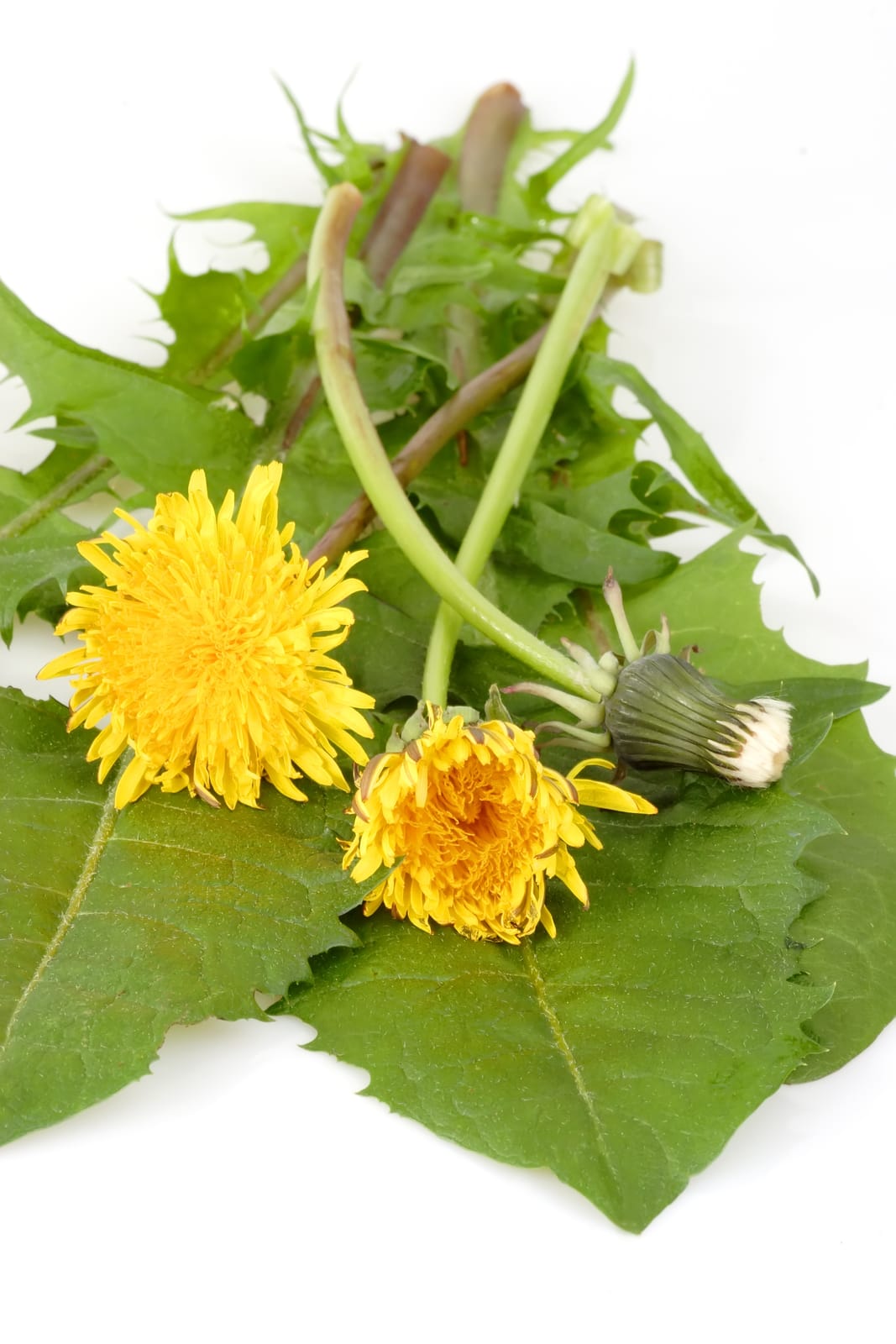
In a wild garden forgotten by time, two dandelions grew—one crowned in gold, the other veiled in silver. They sprouted at opposite ends, with silvery Moon in a planter box high on the hillside and golden Sun buried among the brambles at the garden’s edge. It took many days for Moon to grow over the lip of her elevated perch, but once she did, Sun could not look away.
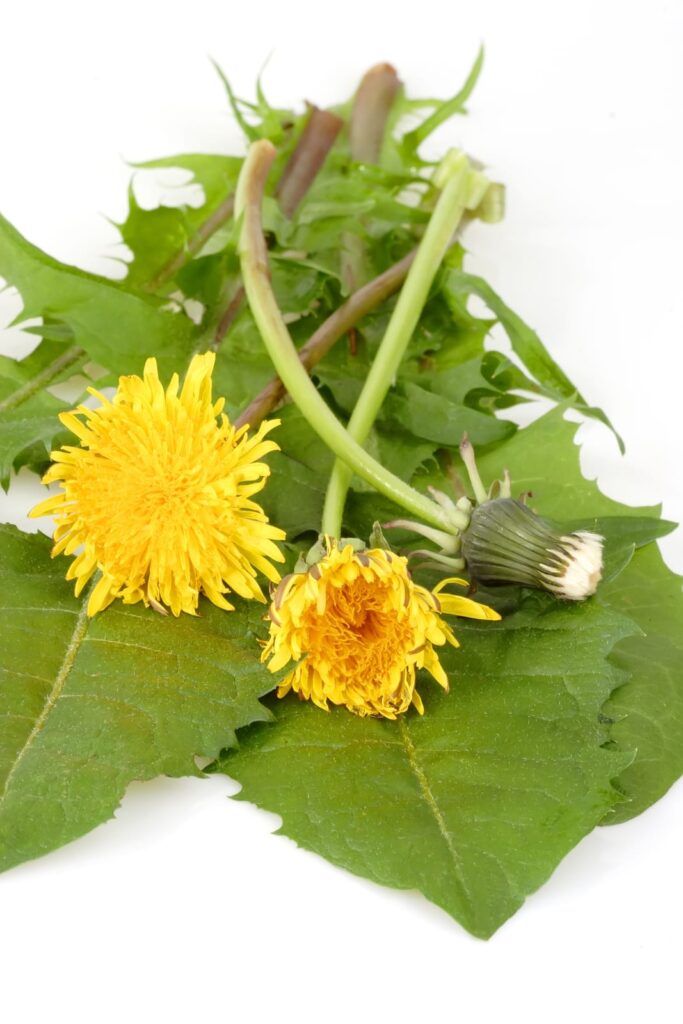
Moon shone round and spectral, a beacon stitched into the fabric of the night. Sometimes, when the breeze danced through the leaves, Sun swore he saw her tilt her slender head toward him, as if searching, too. During the day, he beamed his brightest, his wheel of yellow petals thrown wide. When the wind blew her way, he called to her: shy hellos, songs of admiration. Yet the garden thrummed with voices—clamoring for water, soil, and sunlight—and Sun’s whispers drowned in the din.
Day after day, Sun waved his leaves, but Moon only swayed silently in her high planter.
One twilight, a tiny brown mouse scooted through the underbrush, her whiskers wiggling.
“Mouse! Mouse!” cried Sun. “Please, I must speak with you!”
Mouse scampered to the dandelion’s base, paws dusty and eyes bright.
“I must reach her,” said Sun, bowing his stalk toward Moon. “Will you help me?”
Mouse, hungry and hurried, twitched her nose. “I have little time before daybreak.”
“If you help me reach her, I will give you my buds to feed your children.”
Savoring the promise of food, Mouse agreed. She dug fiercely at the earth, loosening the soil around Sun’s roots. She circled and scraped, clawing at the rocky terrain until her paws grew sore. At last, she sat back.
“The soil is loose,” she said. “Pull with your roots and crawl to her!”
Sun stretched and strained, trembling with effort—but his roots, though loosened, still clung to the earth.
“It’s no use,” said Sun, his voice wilting.
Mouse rubbed her cheek against his stalk. “We will think of something else. But the night is slipping away.”
Sun bent a budding branch low, offering her a small, golden gift. Mouse plucked it gratefully and hurried homeward beneath the fading stars.
The next night, Mouse returned.
“Have you thought of another way?” she asked.
Sun had spent the day thinking—watching Moon, imagining, yearning. “Yes,” he said. “Dig deeper, straight down. Free my main root. Then I might pull myself to her.”
Mouse set to work again. This time she dug downward, carving a hollow beneath Sun’s stalk. The soil was tougher, packed with rock and root, but Mouse labored on, driven by Sun’s pleading gaze. In the distance, Moon waved in the wind as if in encouragement.
Hours passed. When at last Mouse stopped, panting and dusty, Sun swayed above a gaping hollow.
“Now try,” said Mouse, her voice brimming with excitement.
Sun strained and pulled—and his stalk shifted slightly. A breath of hope fluttered his leaves.
“Drag me!” he cried. “Just a little!”
Mouse took his stalk gently in her teeth and tugged—but Sun cried out in pain.
“It hurts! Your teeth—they cut into me!”
“I have no other way to pull,” said Mouse, sorrowful.
“Then it is no use,” said Sun, trembling. With his words, the first light of day brushed the garden.
“Here, take another bud,” said Sun, lowering his branch.
“I cannot—you have so few left,” replied Mouse.
“A promise is a promise,” said Sun. “You need to feed your family.” Before Mouse could protest, Sun slashed his bud against a neighboring thornbush. With a plop, the bud broke from its base and fell to the dirt.
Not knowing what to say, Mouse circled Sun’s base a few times. She rubbed against his stalk, but Sun did not respond. Finally, Mouse edged over to the fallen bud, plucked it up, and headed towards her den.
Every night for a week, Mouse returned to Sun with offers to help, but neither of them could think of a way to free Sun and deliver him to Moon. Each day, Sun grew thinner and paler. Some evenings, he thought he saw Moon trembling in her planter box, leaning toward him.
As Sun withered, Mouse visited less often, her need to forage taking priority over her desire to help her friend.
Then, one night, a mighty storm swept through the canyon.
High in her planter box, Moon swayed in the breeze. Her tufts quivered as rain lashed the garden. Wind howled from the mountain, bending Sun’s thin stalk, tugging at his roots.
At the clearing’s edge, Mouse appeared—small, soaked, and shivering—but steadfast.
“You can do it!” she squeaked into the roaring dark. “Go to her!”
Gathering all that remained within him, Sun stretched his aching limbs and tore free. The storm seized him, lifting him into the sky.
Through the blackness, he floated, drifting toward Moon.
“I have come far to be with you,” said Sun.
“I am glad you are here,” said Moon. “Will you dance with me?”
“Yes!” cried Sun. “Wait for me!”
The tumult twisted and tumbled him, but Sun lifted his leaves high, directing his flight. He flew towards Moon, drawn by gravity, love, and the wild will of the storm.
Their flower heads touched—his golden face brushing her silver globe—and with that kiss, Moon’s seeds loosened. One by one, tiny tufts lifted into the night.
“Set me free,” breathed Moon.
With all his passion, Sun wrapped himself around her. More seeds rose, hundreds, thousands, spiraling upward.
Mouse stood on her hind legs, paws lifted to the sky as the garden glowed with white light.
Around her, the pale pinwheels rose, carried by the winds beyond the garden, beyond the canyon, into the endless dark.
They floated higher and higher, until they became the stars.
And as each tiny star took its place in the heavens, it whispered back:
Thank you. Thank you. Thank you.